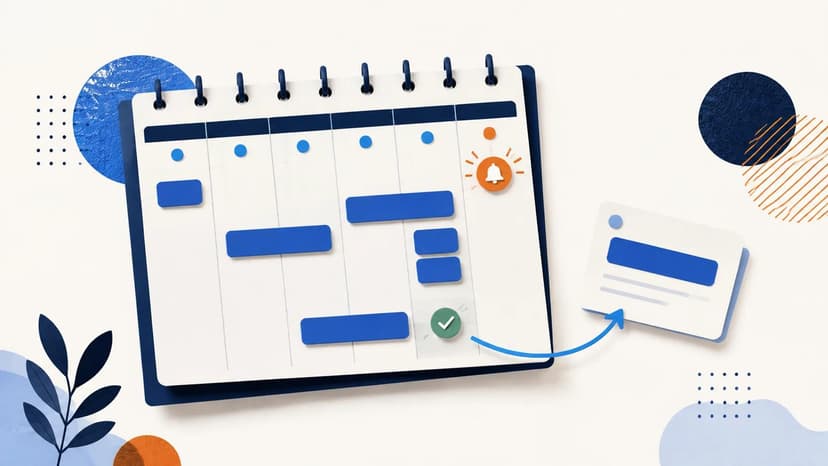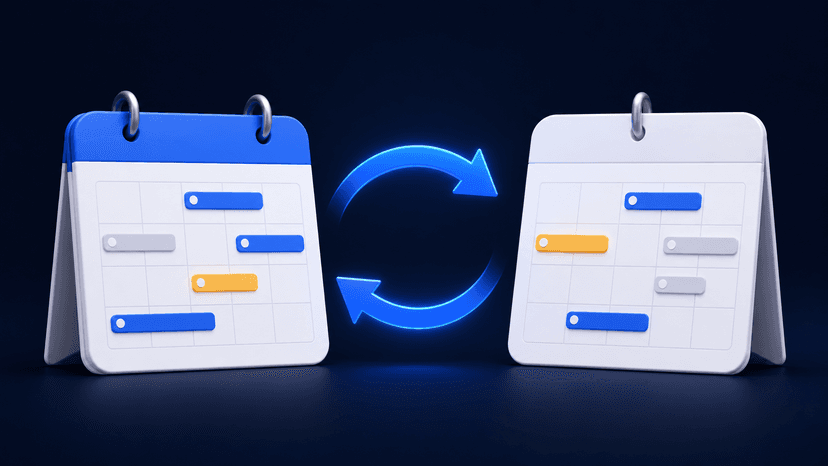

Google Calendar lets you set detailed access rules. You can choose from just seeing when someone is busy to full control. This flexibility is ideal for personal and work sharing needs.
Quick answer: On a computer, open Google Calendar, point to the calendar under My calendars, click More and then Settings and sharing. Under Shared with, click Add people and groups, enter an email address, choose a permission and click Send. The other person gets an email and has to click its link to add your calendar. On Android or iPhone, open the Calendar app, tap Menu, then Settings, pick the calendar and tap Add people or groups.
When sharing with workmates or planning a family event, be careful with access. Those with full access can do a lot, such as adding events or even deleting the calendar. For those with work or school accounts, be sure to know the admin’s rules on sharing. It could avoid problems later by just asking your admin.
This guide helps you smoothly share your google calendar. It covers everything, from setting up access to checking the right permissions. This makes organizing and sharing info easier for any group.
If you also need help creating events or inviting guests, our step-by-step Google Calendar tutorial walks through those basics before you grant someone ongoing access.
Key Takeaways
- Google Calendar lets you pick who sees what.
- Your calendar can be open to all or just a few.
- Double-check email addresses to avoid sharing errors.
- Organizational account admins may limit sharing settings.
- People you share with get emails with links to your calendar.
Sharing your google calendar with others can help a lot in organizing time and events. By using this guide, both the sharing process and your calendar’s safety are enhanced.
Access Permissions Explained
Google Calendar has five permission levels. You pick one per person or group, and you can change it later under Settings and sharing.
Google Calendar permission levels
| Permission | What the person can do | Good for |
|---|---|---|
See only free/busy (hide details) | See when you are busy, but not event names or details | Clients, people outside your company |
PermissionSee only free/busy (hide details) What the person can doSee when you are busy, but not event names or details Good forClients, people outside your company | ||
See event details | See event names, times, places and descriptions | Family, assistants who only need to look |
PermissionSee event details What the person can doSee event names, times, places and descriptions Good forFamily, assistants who only need to look | ||
Make changes (see private events as free/busy) | Edit your events, except private ones, which show only as busy | Close colleagues who manage your meetings |
PermissionMake changes (see private events as free/busy) What the person can doEdit your events, except private ones, which show only as busy Good forClose colleagues who manage your meetings | ||
Make changes and see event details | Edit events and see who else the calendar is shared with | A partner or co-organizer |
PermissionMake changes and see event details What the person can doEdit events and see who else the calendar is shared with Good forA partner or co-organizer | ||
Make changes and manage sharing | Full control, including sharing your calendar with others | Only someone you fully trust |
PermissionMake changes and manage sharing What the person can doFull control, including sharing your calendar with others Good forOnly someone you fully trust | ||
Start with the lowest level that does the job. If your calendar belongs to a work or school account, your administrator decides whether you can share it.

How to Start Sharing Your Google Calendar
Sharing your Google Calendar makes scheduling easy. You can plan meetings and events with others more smoothly. Let's go through the steps to share your calendar right. This way, you keep control over who sees it and ensures privacy.
1. Open Google Calendar
First, go to your Google Calendar. Make sure you're signed in. You can get to it by typing calendar.google.com in your browser or using the Google Apps menu.
2. Find the calendar under My calendars
In Google Calendar, look for My Calendars on the left side. It lists all your created calendars. Hover over the one you're sharing and click the three dots. This shows a drop-down menu.
3. Open Settings and sharing
In the menu, choose Settings and sharing. A new window opens. Here, you can change various settings, including sharing preferences.
4. Add people and groups
On the left, click Shared with, then Add people and groups. Type the email address of a person or a Google group. You can add several people at once.
5. Choose a permission and click Send
Pick one of the five permission levels from the table above, then click Send. Each person gets an email and has to click the link in it before your calendar shows up in their list. If the email does not arrive, ask them to check spam, or remove and re-add them.
How to Share a Google Calendar on iPhone or Android
The Google Calendar app on Android and iPhone can share a calendar too. The steps are the same on both:
- Open the Google Calendar app and tap Menu at the top left.
- Tap Settings, then tap the calendar you want to share.
- Under Shared with, tap Add people or groups.
- Enter a name, email address or group, choose a permission and confirm.
For more private sharing, like in Google Workspace, you might just want your team to see the calendar. This keeps your info safe from outsiders. Colleagues can get email alerts for new events, updates, or deletions, making things run smoother.
To stop sharing, open Settings and sharing for the calendar and, under Shared with, click Remove next to the person. On a phone, tap Remove next to their name in the same list. If someone cannot find a calendar you shared, ask them to search their inbox and spam folder for the invitation email.

Share your Calendar with meetergo
Want to share your calendar effortlessly? If the goal is letting people book time with you rather than see your whole calendar, meetergo connects to your Google Calendar and shares a booking link that only shows your free slots. With meetergo, you can easily share a calendar with specific people or groups, ensuring everyone stays in the loop. If you are on a Mac, we cover Apple calendar sharing in a separate guide.
Need to share your calendar with colleagues or clients? Meetergo’s seamless integration ensures that whether you're using an Outlook calendar, iPhone, or Android, sharing is straightforward. Once you’ve shared your calendar, any changes to your calendar are automatically synced, eliminating the hassle of manually updating everyone. With meetergo, you can add the calendar of others to your view, giving you a comprehensive overview of everyone's availability at a glance.
Additionally, meetergo provides advanced features like calendar links and specific event sharing, making it easier to manage appointments and meetings. Whether you want to share your calendar with someone for a one-time event or provide continuous access, meetergo offers flexible options that adapt to your needs. By choosing meetergo, you benefit from a user-friendly platform that enhances collaboration and productivity. For shared availability across a whole team, see meetergo for teams.
Sharing with Specific People
Sharing your Google Calendar with key people needs a careful approach. The feature to "share with specific people" lets you decide who can see, change, or help manage your calendar.
Using Email Addresses
Start by going to the calendar you want to share on Google Calendar. Look for the "Settings and sharing" option. Then, you can add people and groups by typing in their email addresses. This is key because it sets who gets to see your plans.
Adjusting Permissions
Next, think about what each person should be able to do. You can set different levels of access. For example, you can let them see only free/busy time or make changes & manage sharing. Picking the right permission means everyone can use your calendar as needed, without risking your privacy. Keep in mind that secret events won’t show up if you set them as "Only me".
Confirming the Share
Once you've sorted out who can do what, confirm the share. This sends a notification email to everyone you added. They'll get a link to the calendar and an email saying they can now use it. This step ensures all involved know what they can and can't do, letting them use the calendar easily.
Making Your Calendar Public
Do you want lots of people to see your calendar easily? Making your Google Calendar public is a great idea. It lets others view and interact with your calendar in many ways, both on and off Google's platform.
Enable Public Sharing
Want to start sharing your calendar with everyone? Go to the "Settings and sharing" menu in your Google Calendar. There, you can set your calendar to be public. This feature lets your calendar be seen by anyone, even if they don't use Google.
By using the Public URL to calendar or Public address in iCAL format, you give non-Google users view-only access. This means they can see your calendar but can't change anything. This makes it easier to share your calendar widely while keeping your control.
Choosing Access Levels
When picking what others can see on your shared calendar, think about it carefully. Google Calendar lets you decide if people can see all your event details or just know if you're busy. Choose the right level to balance sharing with privacy.
Sharing with everyone can be perfect for event calendars. This way, anyone interested can follow your events without you sending them a direct invite.
Sharing the Public Link
Once you've chosen your settings, you'll need to get shareable link to share your calendar. This link is easy to share. You can put it on a website or send it by email. Anyone with this link can view your calendar if you've allowed it.
The process to create and share this link is simple and quick. It makes sharing your Google Calendar with many people smooth and easy. This helps keep your calendar updated and improves how you communicate and plan with others.
Be careful when making your calendar public. Review your sharing settings to protect private information.

Managing Shared Calendar Events
Managing shared calendar events is key to keeping things smooth and private in shared Google Calendars. Knowing how to edit shared events, handle private ones, and delete them is key. It helps make sharing calendars work well.
Editing Shared Events
Editing shared events is easy for those with permission. Users can change event details, move meetings, and update info with certain access. This updating is vital for real-time teamwork and organization tasks.
Handling Private Events
Keeping private events private is important in shared calendar management. Users can make certain events invisible to most, keeping secrets secret. This helps balance between sharing for teamwork and for keeping personal info private.
Deleting Shared Events
Deleting shared events is simple for authorized users. They just choose the event and delete it. This keeps the calendar tidy from old, unneeded events. Also, they can remove entire calendars if it's best for the team.
FAQ
How do I share a Google Calendar with someone?
Open Google Calendar on a computer, point to the calendar under My calendars and click More, then Settings and sharing. Under Shared with, click Add people and groups, enter the person's email, choose a permission level and click Send. They get an email with a link to add your calendar.
Can I share my Google Calendar using the Google Calendar app?
Yes. In the Google Calendar app on Android or iPhone, tap Menu, then Settings, choose the calendar and tap Add people or groups under Shared with. Enter the person, pick a permission and confirm.
How can I share a Google Calendar with a specific person?
Open Settings and sharing for the calendar, click Add people and groups under Shared with, enter that person's email address, pick the permission they need and click Send.
Is it possible to share a Google Calendar with others who do not have Google accounts?
Yes, as read-only. Under Access permissions for events, check the box next to Make available to public, then send either the Public URL to this calendar or the Public address in iCal format from the Integrate calendar section, so they can subscribe in Outlook, Apple Calendar or another app. The iCal address only works while the calendar is public, and people without a Google account cannot edit it.
What is the best way to share a Google Calendar for collaborative event planning?
For collaborative event planning using a Google Calendar, it is recommended to share the calendar with specific people and grant them the necessary permissions to add, edit, or manage events. This way, all participants can stay updated and contribute to the event organization.
How do I share my Google Calendar with someone using an Apple Calendar?
If they use a Google account, share it with that address under Settings and sharing, then Shared with, then Add people and groups. Apple Calendar shows Google calendars once that account is added on their device. If they do not use Google, make the calendar public and send the Public address in iCal format from the Integrate calendar section, so they can subscribe to it in Apple Calendar and it keeps updating. Exporting an .ics file and importing it only creates a one-time copy that never updates.
Conclusion
Learning to share your Google Calendar is crucial. It can really help with time management and keeping things organized. This guide has shown you from start to finish how to do it, including how permissions work and the actual sharing.
Shared calendars are great for working together. They help everyone know when meetings are and when things are due. This way, you can avoid scheduling two things at once. Google Calendar works well with other Google tools, like Gmail and Google Drive. This makes it a strong choice for sharing calendars efficiently.
If you use Apple's Calendar app, follow our separate guide to share a calendar on iPhone without confusing iCloud, Google, and Outlook permissions.